
Diesel Petrol Inflation 7 Proven Facts Diesel Petrol Inflation affects more than the amount you pay at a fuel station. It can also influence transport costs, food prices, delivery charges, business expenses, and the money available for savings. When petrol and diesel become more expensive, many households and businesses have to rethink how they spend their money.
Have you ever noticed that your monthly budget becomes tighter even when your salary stays the same? Rising fuel costs can be one reason. When transport becomes expensive, businesses may face higher costs to move goods from one place to another. Some businesses may pass part of these costs on to customers through higher prices.
However, fuel prices do not affect every product or household in the same way. The impact depends on transport needs, local market conditions, energy sources, taxes, and how businesses respond to rising costs.
In this guide, we will explore seven important facts about Diesel Petrol Inflation, explain how it affects everyday life, and share practical ways to manage your budget. The goal is to help you understand the issue clearly and make better financial decisions without unnecessary fear.
Table of Contents
Quick Summary
| Key Fact | What It Means |
|---|---|
| Fuel costs affect transport | Travelling and moving goods can become more expensive. |
| Food prices may rise | Higher delivery and production costs can put pressure on prices. |
| Inflation has several causes | Fuel is one factor, not the only reason prices increase. |
| Household budgets feel pressure | Families may have less money for saving and other needs. |
| Businesses face higher expenses | Transport-dependent businesses may see lower profit margins. |
| Fuel prices can change | Global oil markets, taxes, and local conditions influence prices. |
| Planning can reduce the impact | Budgeting, efficient travel, and regular expense reviews can help. |
What Is Diesel Petrol Inflation?
Diesel Petrol Inflation refers to the pressure on prices and household expenses that can arise when petrol and diesel become more expensive. These fuels are important because they power many vehicles used for personal travel, public transport, farming, construction, and the movement of goods.
When fuel prices increase, the effects can spread through the economy. For example, a delivery company may spend more money on fuel. A farmer may face higher expenses for machinery and transportation. A shop owner may pay more to receive products from suppliers. These additional costs can influence the final prices paid by customers.
However, Diesel Petrol Inflation does not mean that every product will become more expensive whenever fuel prices rise. Some businesses absorb additional costs, while others change suppliers, improve efficiency, or adjust their prices. The final effect depends on many factors.
How Fuel Prices Connect With Inflation
Inflation is the general rise in the prices of goods and services over time. When fuel becomes more expensive, it can contribute to inflation through several channels.
First, transport companies may increase their charges. Second, manufacturers may face higher distribution costs. Third, businesses that use fuel-powered equipment may have higher operating expenses. These changes can gradually affect consumer prices.
There is also an important difference between a temporary fuel price increase and a lasting inflation problem. If fuel prices rise briefly, businesses may manage the extra cost without changing their prices. If high fuel costs continue for a long period, the pressure can become harder to absorb.
Therefore, understanding Diesel Petrol Inflation requires looking beyond the price displayed at the fuel station. It also means examining transport expenses, production costs, consumer demand, and the wider economic environment.
Diesel Petrol Inflation: 7 Proven Facts You Should Know
Fact 1: Higher Fuel Prices Can Increase Transportation Costs
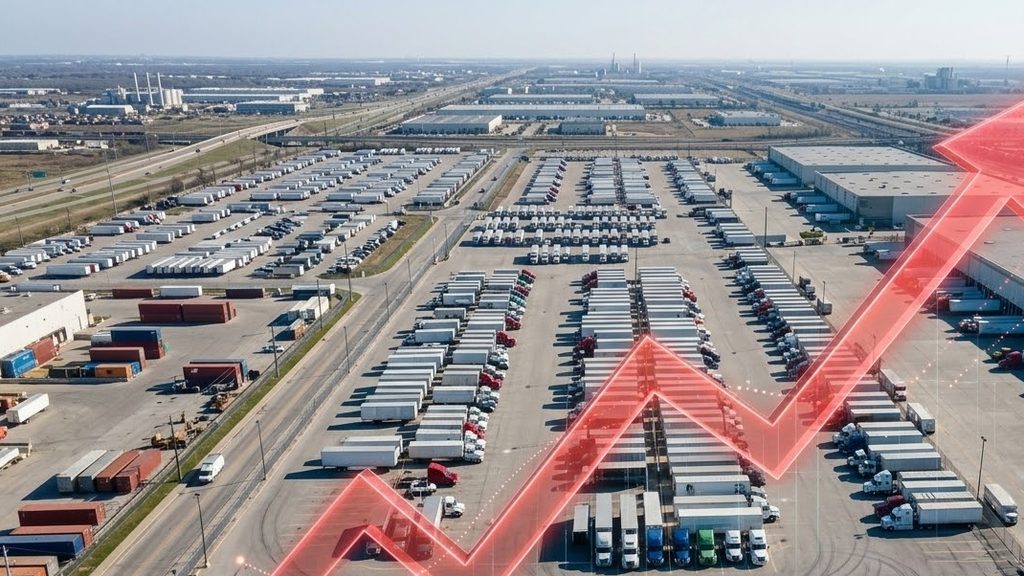
Transportation is one of the clearest ways fuel prices affect everyday spending. Cars, trucks, buses, ships, and some other forms of transport depend directly or indirectly on petroleum-based fuels.
When diesel prices rise, companies that operate heavy vehicles may face higher expenses. These companies move products between factories, warehouses, distribution centres, shops, and homes. Even a small increase in the cost of each journey can become significant when a business operates hundreds or thousands of vehicles.
Petrol price increases can also affect people who travel to work, attend school, visit customers, or run personal errands. Drivers may have to spend more money each week to cover the same distance.
Consider a simple example. A delivery business spends 1,000 currency units on fuel for a particular amount of work. If its fuel expenses increase by 10%, the same work now costs 1,100 units in fuel alone. The business must decide whether to absorb the difference, improve efficiency, or increase its delivery charges.
This example illustrates why Diesel Petrol Inflation can affect both companies and customers. The actual impact will depend on fuel consumption, operating costs, competition, and pricing decisions.
What can you do? Plan journeys carefully, combine errands, maintain your vehicle, and compare practical transport options. Businesses can review delivery routes and vehicle efficiency to reduce unnecessary fuel consumption.
Fact 2: Diesel Petrol Inflation Can Put Pressure on Food Prices
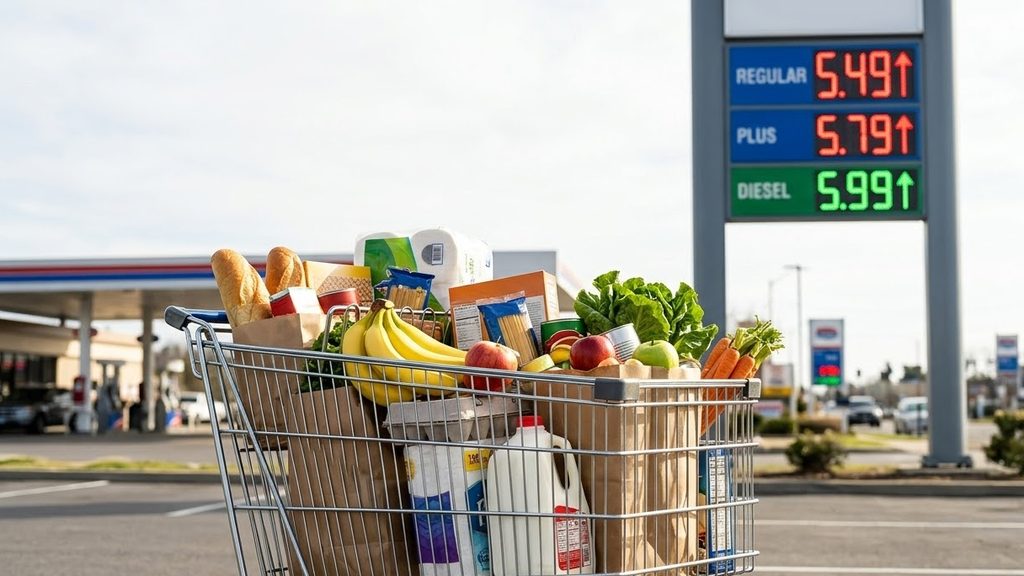
Food prices depend on more than the cost of growing crops or preparing meals. Products must often travel from farms to processing facilities, storage centres, wholesalers, shops, and restaurants.
Fuel plays a role in many of these activities. Tractors and other machinery may consume fuel. Trucks transport fresh produce. Refrigerated vehicles use energy to protect products during delivery. Packaging materials and fertilisers can also have production and transportation costs linked to energy markets.
When fuel becomes more expensive, some of these expenses may increase. Businesses may then raise prices if they cannot absorb the additional costs.
For example, imagine a vegetable supplier delivering produce to several shops. Higher fuel expenses may reduce the supplier’s profit on each delivery. If the increase continues, the supplier might negotiate new rates with shops. Those shops may eventually adjust retail prices.
However, food prices do not depend on fuel alone. Weather conditions, crop yields, labour costs, storage facilities, seasonal demand, exchange rates, and trade policies can also influence prices. A good harvest may help offset some cost pressures, while a poor harvest may push prices higher even when fuel prices remain stable.
This is why Diesel Petrol Inflation should be understood as one possible contributor to food inflation rather than its only cause.
Practical tip: Reduce food waste, plan meals before shopping, compare prices, and buy suitable seasonal products. These habits cannot control market prices, but they can help households manage their spending.
Fact 3: Global Oil Markets Can Influence Local Fuel Prices
Crude oil is a major raw material used to produce petrol, diesel, and other petroleum products. Its price can change because of shifts in global supply and demand, production decisions, conflicts, shipping disruptions, and expectations about future economic activity.
When crude oil prices rise, fuel producers and importers may face higher costs. Depending on the country, its tax system, currency movements, refining costs, and pricing policies, these changes may eventually affect the price paid by consumers.
Currency movements are especially important for countries that import a large share of their crude oil. If their currency weakens against the currency used to purchase oil, imports can become more expensive even when the international oil price does not change.
Nevertheless, global crude oil prices and local petrol or diesel prices do not always move by the same amount or at the same time. Taxes, subsidies, refining margins, distribution expenses, and government policies can influence the final price.
For this reason, anyone trying to understand Diesel Petrol Inflation should avoid assuming that every local price increase comes directly from a rise in crude oil prices.
Practical tip: When fuel costs rise, look at several factors before drawing conclusions. Follow reliable energy-market reports and official price information rather than relying only on social media claims.
Fact 4: Rising Fuel Expenses Can Reduce Household Savings
A household budget has limits. Most people need to divide their income between essentials, personal spending, debt payments, emergency savings, and long-term financial goals.
When fuel expenses increase, families that depend on private vehicles or regular long-distance travel may have less money available for other needs. The effect can become more noticeable when food, electricity, rent, and other essential expenses also rise.
Consider a household that spends 200 currency units each month on fuel. If its monthly fuel bill rises by 15%, the new bill becomes 230 units. The extra 30 units may seem small, but repeated increases across several categories can create meaningful pressure on the household budget.
A family may respond by reducing restaurant visits, delaying a purchase, lowering discretionary spending, or saving less. Households with limited financial reserves may find these adjustments more difficult than those with flexible budgets.
Diesel Petrol Inflation can therefore affect financial progress even when a person’s income does not change. The important issue is not simply the higher price of fuel; it is the amount of income remaining after essential expenses have been paid.
Practical tip: Review your spending at least once a month. Separate essential expenses from optional purchases, maintain an emergency fund that suits your circumstances, and avoid taking on expensive debt to cover recurring costs wherever possible.
Fact 5: Businesses May Face Lower Profits

Fuel is an operating expense for many businesses. Transport companies, construction firms, farms, delivery services, manufacturers, and travel operators may all be affected by higher petrol or diesel costs, although the degree of exposure differs.
When operating costs increase, a business has several choices. It can absorb the extra expense, raise prices, improve efficiency, change suppliers, or reduce other costs. Each choice has limitations.
For example, a small delivery company may operate in a competitive market where customers are unwilling to accept higher delivery charges. If the company cannot improve its routes or negotiate better terms, its profit margin may shrink.
A larger business may have more options. It might use fuel-efficient vehicles, negotiate bulk purchasing arrangements, improve warehouse locations, or redesign its distribution network. However, these changes may require time and investment.
Businesses also need to consider customer demand. If higher prices reduce sales, raising prices may not fully solve the problem.
The wider lesson is that Diesel Petrol Inflation can influence business decisions, employment plans, investment, and product prices. However, fuel costs alone do not determine whether a company succeeds or fails. Management quality, competition, productivity, financing, and customer demand remain important.
Practical tip for business owners: Track fuel expenses as a separate budget category. Measure fuel cost per delivery, kilometre, unit produced, or other relevant activity. This makes it easier to identify waste and evaluate improvements.
Fact 6: Fuel Price Changes Can Affect Different People Unequally

Not everyone experiences rising fuel prices in the same way. The effect depends on where a person lives, how far they travel, their access to public transport, their income, and the nature of their work.
A person who works from home and rarely drives may experience a smaller direct impact than someone who travels long distances every day. However, both people may face indirect effects if transportation costs influence the prices of goods and services they purchase.
People living in areas with limited public transport may have fewer alternatives to driving. Similarly, workers who depend on vehicles to earn an income may find it difficult to reduce fuel consumption without reducing their working hours or earnings.
Households with lower incomes can also face greater pressure because a larger share of their money may already be committed to essential expenses. Even a modest increase in recurring costs can leave little room for adjustment.
At the same time, some businesses may benefit from changing energy-market conditions, depending on their activities and the wider economic environment. The overall effects are not always uniform.
Understanding these differences helps explain why the same Diesel Petrol Inflation event can create very different experiences for different households and industries.
Practical tip: Choose solutions that fit your situation. Some people can reduce unnecessary driving, while others may need to focus on budgeting, shared transport where practical, negotiating work-related travel costs, or reviewing other recurring expenses.
Fact 7: Better Planning Can Reduce the Financial Impact
Individuals cannot control global oil markets, unexpected supply disruptions, or every government pricing decision. However, they can control some of their spending choices and prepare for changing expenses.
The first step is to understand how much you currently spend on fuel. Review several months of transactions and calculate an average. This gives you a useful starting point for your budget.
Next, consider how much your fuel bill could increase if prices rise or your travel needs change. You do not need to predict the exact future price. Instead, create a reasonable buffer that reflects your income and expenses.
For example, a person who spends 150 currency units on fuel each month might test whether their budget can handle a 10% or 20% increase. These are planning scenarios, not predictions. If the budget becomes too tight, the person can identify adjustments before a problem occurs.
You can also improve vehicle maintenance, combine errands, avoid unnecessary trips, and compare transport choices when practical. Businesses can take similar steps by monitoring fuel efficiency and reviewing routes.
It is important not to make rushed financial decisions because of short-term fuel price movements. Selling investments, taking expensive loans, or making speculative trades can create larger problems than the original increase in fuel costs.
A steady approach to Diesel Petrol Inflation is usually more useful than trying to predict every price change.
How to Manage Diesel Petrol Inflation in Your Daily Life
Understanding the causes of rising fuel prices is useful, but taking practical action can make the information more valuable. The right approach is to protect your budget without sacrificing essential needs or making decisions based on fear.
Create a Fuel Budget
Start by checking how much you spend on petrol or diesel in a typical month. Include commuting, family travel, work-related trips, and other regular journeys.
Then compare the total with your monthly income and other essential expenses. If fuel takes up a large share of your budget, identify whether some journeys can be combined or planned more efficiently.
A fuel budget should be realistic. Setting an extremely low amount may lead to frustration if your work or family responsibilities require regular travel. Instead, use your recent spending as a starting point and adjust it as your circumstances change.
Review Your Transport Choices
Where suitable, consider public transport, carpooling, walking, cycling, or remote meetings. These options will not work for everyone, and safety, accessibility, distance, and local infrastructure should guide your decision.
Vehicle maintenance also matters. Correct tyre pressure, timely servicing, and sensible driving habits can support fuel efficiency. Avoid spending large amounts on equipment or upgrades unless the expected savings justify the cost.
Protect Your Emergency Savings
Emergency savings can help you manage unexpected bills without immediately relying on expensive credit. If you do not yet have an emergency fund, start with an amount you can afford and build it gradually.
If rising living costs are making saving difficult, review optional expenses first. However, do not ignore important insurance, necessary medical care, or essential bills simply to maintain an unrealistic savings target.
Avoid Panic-Based Financial Decisions
Fuel prices can rise and fall. A temporary increase does not automatically mean that a recession is coming or that every investment will lose value.
Before making a major financial decision, consider your income stability, debt obligations, time horizon, and financial goals. Use reliable information and seek qualified advice when the decision involves significant risk.
Conclusion
Diesel Petrol Inflation can influence transportation, food prices, business expenses, and household savings. Its effects depend on global energy markets, local pricing systems, taxes, currency movements, and the choices made by businesses and consumers.
The seven facts in this guide show why fuel prices matter beyond the fuel station. They also show why it is important to avoid blaming every price increase on fuel alone.
You cannot control every change in the economy, but you can monitor expenses, plan journeys, reduce avoidable waste, and build financial resilience over time. Start by reviewing your monthly fuel spending and identifying one practical improvement you can make today.
Frequently Asked Questions
1. What Is Diesel Petrol Inflation?
Diesel Petrol Inflation describes inflationary pressure associated with rising petrol and diesel prices. Higher fuel costs can increase transportation and operating expenses, which may contribute to higher prices for some goods and services.
2. How Does Diesel Petrol Inflation Affect Food Prices?
Fuel is used in farming, processing, storage, and transportation. Higher fuel costs may increase expenses throughout the food supply chain. However, weather, crop production, labour costs, and demand also influence food prices.
3. Why Do Petrol and Diesel Prices Change?
Prices can change because of crude oil prices, global supply and demand, currency movements, refining costs, taxes, distribution expenses, and government policies. The importance of each factor differs by market.
4. How Can Families Manage Rising Fuel Costs?
Families can monitor fuel spending, combine journeys, maintain their vehicles, compare suitable transport options, reduce avoidable expenses, and review their monthly budgets.
5. Does Diesel Petrol Inflation Always Cause General Inflation?
No. Higher fuel prices can contribute to inflation, but the overall effect depends on the size and duration of the increase, business responses, consumer demand, and other economic conditions.
REFRANCE-Diesel Petrol Inflation 7 Proven Facts Diesel Petrol Inflation 7 Proven Facts Diesel Petrol Inflation 7 Proven Facts Diesel Petrol Inflation 7 Proven Facts Diesel Petrol Inflation 7 Proven Facts Diesel Petrol Inflation 7 Proven Facts REFRANCE-Diesel Petrol Inflation 7 Proven Facts Diesel Petrol Inflation 7 Proven Facts Diesel Petrol Inflation 7 Proven Facts Diesel Petrol Inflation 7 Proven Facts Diesel Petrol Inflation 7 Proven Facts Diesel Petrol Inflation 7 Proven Facts REFRANCE-Diesel Petrol Inflation 7 Proven Facts Diesel Petrol Inflation 7 Proven Facts Diesel Petrol Inflation 7 Proven Facts Diesel Petrol Inflation 7 Proven Facts Diesel Petrol Inflation 7 Proven Facts Diesel Petrol Inflation 7 Proven Facts
Diesel Petrol Inflation 7 Proven Facts Diesel Petrol Inflation 7 Proven Facts Diesel Petrol Inflation 7 Proven Facts Diesel Petrol Inflation 7 Proven Facts Diesel Petrol Inflation 7 Proven Facts Diesel Petrol Inflation 7 Proven Facts REFRANCE-Diesel Petrol Inflation 7 Proven Facts Diesel Petrol Inflation 7 Proven Facts Diesel Petrol Inflation 7 Proven Facts Diesel Petrol Inflation 7 Proven Facts Diesel Petrol Inflation 7 Proven Facts Diesel Petrol Inflation 7 Proven Facts Diesel Petrol Inflation 7 Proven Facts REFRANCE-Diesel Petrol Inflation 7 Proven Facts Diesel Petrol Inflation 7 Proven Facts