
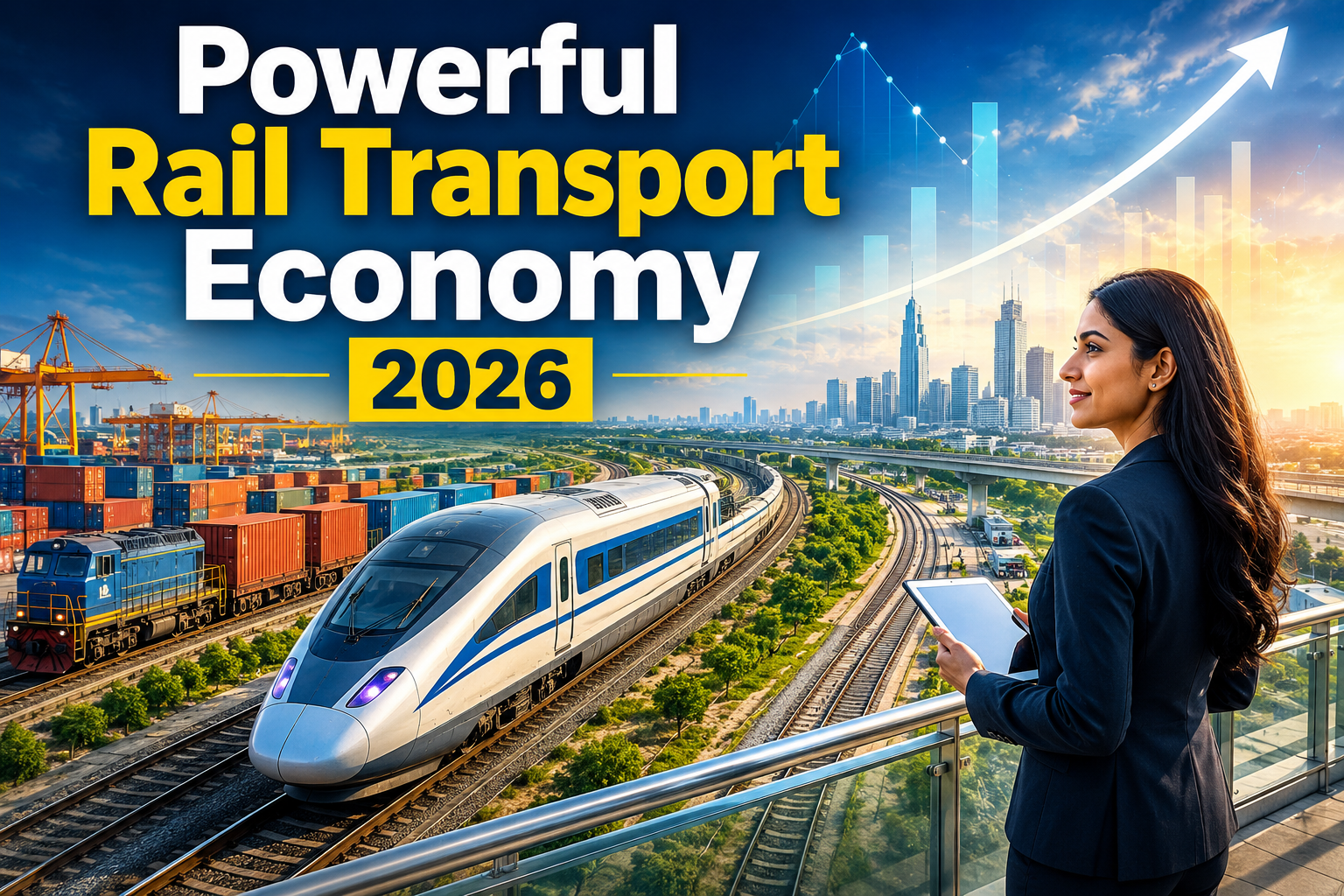
Powerful Rail Transport Economy 2026 is no longer just about trains carrying passengers or freight. It represents one of the biggest transformations in modern transportation, logistics, sustainability, and economic development. Around the world, railway systems are becoming smarter, faster, safer, and more efficient than ever before. Governments, businesses, manufacturers, and investors increasingly recognize that rail transportation creates long-term economic value while reducing congestion and environmental impact.
From my experience following transportation projects, I have seen that whenever a new railway corridor opens, surrounding industries begin expanding rapidly. Small businesses gain easier access to larger markets, manufacturers reduce logistics costs, and employment opportunities increase across multiple sectors. I have also listened to transportation experts explain that efficient rail infrastructure creates economic benefits that continue for decades rather than just a few years.
Unlike many transportation systems that become more expensive as traffic increases, modern railway networks often become more efficient through technological improvements, automation, predictive maintenance, and integrated logistics planning. These improvements allow both passenger services and freight transportation to operate more reliably while supporting sustainable economic growth.
Instead of focusing only on trains, this guide explains how the Powerful Rail Transport Economy 2026 influences industries, employment, technology, global trade, supply chains, environmental sustainability, and future investment opportunities.
Table of Contents
Quick Summary
| Topic | Overview |
|---|---|
| Focus | Global Rail Transport Economy |
| Main Benefit | Faster movement of people and goods |
| Economic Impact | Supports trade, employment, manufacturing |
| Technology | AI, automation, digital signaling |
| Sustainability | Lower emissions than many transport modes |
| Investment Outlook | Long-term infrastructure growth |
| Industries Benefited | Logistics, tourism, manufacturing, retail |
| Future Trend | Smart railway ecosystems |
Why Powerful Rail Transport Economy 2026 Matters More Than Ever
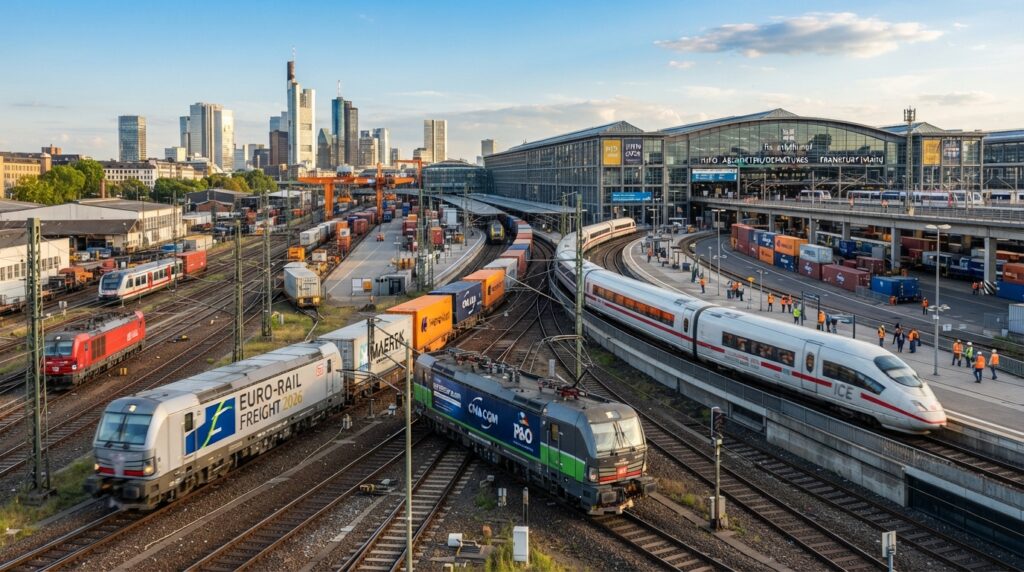
Transportation has always been the foundation of economic progress. Every product people purchase has traveled through some transportation network before reaching consumers. Among all transportation systems, railways continue proving themselves as one of the most efficient methods for moving large numbers of passengers and massive quantities of freight.
The Powerful Rail Transport Economy 2026 demonstrates how transportation has evolved beyond traditional railway operations. Today’s railway networks integrate artificial intelligence, satellite navigation, digital monitoring systems, automated maintenance, predictive analytics, smart ticketing, energy-efficient locomotives, and intelligent logistics platforms. Together, these innovations reduce operational costs while improving reliability.
I have noticed that modern railway stations increasingly function as commercial centers rather than simple transit locations. Retail stores, hotels, offices, warehouses, and technology parks often develop around major rail corridors. This creates entirely new economic ecosystems where transportation becomes a catalyst for regional development.
Businesses also benefit significantly because predictable transportation schedules reduce inventory costs. Manufacturers can plan production more efficiently, retailers receive products on time, and exporters gain improved access to international markets through integrated rail and port connections.
Another important advantage is resilience. Railways generally continue operating effectively during fuel price fluctuations because many modern systems rely on electricity and renewable energy sources. This stability makes rail transport increasingly attractive for governments and businesses planning long-term infrastructure investments.
How Powerful Rail Transport Economy 2026 Supports Global Business
Global commerce depends on efficient movement of goods. Every delay in transportation increases costs throughout supply chains. The Powerful Rail Transport Economy 2026 addresses this challenge by offering dependable transportation capable of handling significant cargo volumes while maintaining predictable schedules.
Rail transportation supports manufacturing industries by moving raw materials to factories and delivering finished products to distribution centers. Agricultural producers rely on railways to transport grains, food products, fertilizers, and machinery across long distances. Energy companies transport minerals, metals, and industrial materials using specialized freight rail systems.
Another area experiencing substantial growth is intermodal transportation. Containers now move seamlessly between ships, railways, and trucks through integrated logistics hubs. This reduces handling time while minimizing transportation expenses.
I have seen logistics professionals explain that integrated rail corridors improve inventory management because companies receive more accurate delivery estimates. Better forecasting reduces unnecessary warehouse storage while improving customer satisfaction.
Digital transformation also contributes significantly. Modern freight trains increasingly utilize GPS tracking, AI-powered route optimization, predictive maintenance software, automated inspection systems, and cloud-based logistics platforms. These technologies reduce operational disruptions while increasing overall transportation efficiency.
As international trade continues expanding, railway infrastructure will likely remain a cornerstone of resilient global supply chains.
Economic Growth Begins With Strong Infrastructure
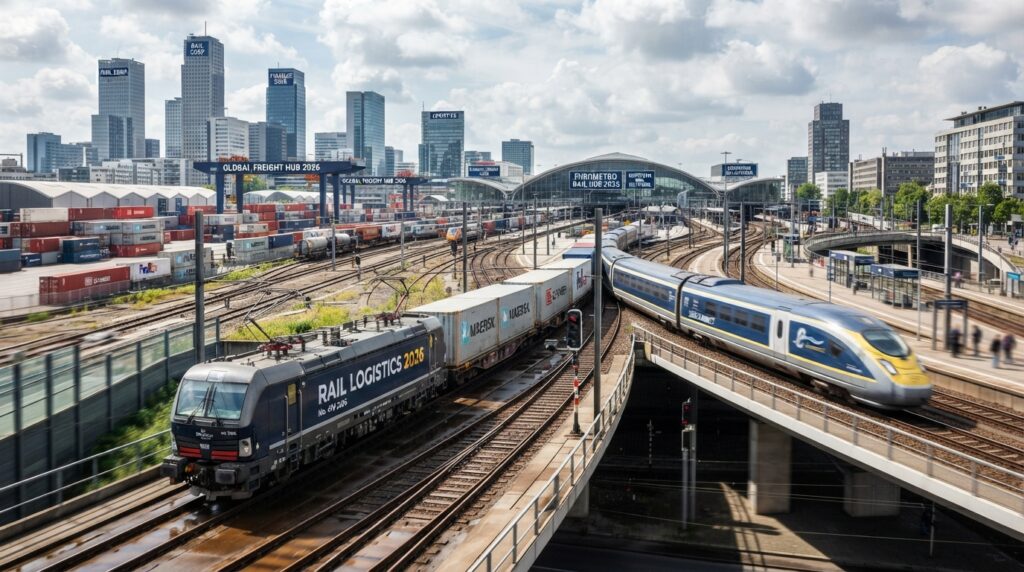
Infrastructure investment creates long-term economic value because it improves productivity across multiple industries simultaneously. Railways illustrate this principle exceptionally well. Every kilometer of new railway infrastructure creates employment opportunities during construction while supporting decades of commercial activity afterward.
The Powerful Rail Transport Economy 2026 encourages governments and private investors to prioritize sustainable infrastructure capable of supporting future population growth and expanding international commerce.
Rail corridors frequently stimulate urban development. Residential communities, educational institutions, industrial parks, research centers, tourism destinations, and commercial districts often emerge near major railway stations. Property development follows transportation accessibility because businesses prefer locations with efficient logistics.
My experience reading infrastructure studies suggests that transportation investments often generate indirect economic benefits significantly larger than the original construction costs. Improved mobility encourages entrepreneurship, attracts investment, increases productivity, and strengthens regional competitiveness.
Modern railway projects also increasingly incorporate renewable energy, digital communication networks, smart security systems, and environmentally responsible construction methods. These improvements make railway infrastructure even more valuable for future economic development.
Smart Rail Technology Is Transforming the Powerful Rail Transport Economy 2026
The Powerful Rail Transport Economy 2026 is increasingly driven by technology rather than steel tracks alone. Modern railway systems now depend on intelligent software, connected sensors, artificial intelligence, cloud computing, digital communication, and predictive analytics. These technologies help railway operators improve safety, reduce delays, lower operating costs, and provide a better experience for passengers and freight customers.
One of the biggest changes is predictive maintenance. Instead of waiting for equipment to fail, smart sensors continuously monitor tracks, bridges, signaling systems, wheels, and engines. Artificial intelligence analyzes this information and alerts engineers before a failure occurs. This approach minimizes unexpected breakdowns and extends the life of expensive railway assets.
I have seen transportation experts explain that predictive maintenance saves millions in repair costs while improving passenger confidence. Rather than closing routes for emergency repairs, operators can schedule maintenance during low-traffic periods. This creates smoother operations and strengthens the Powerful Rail Transport Economy 2026 over the long term.
Digital ticketing is another major improvement. Mobile applications, contactless payments, QR codes, facial recognition in some locations, and automated customer service make railway travel easier than ever. These systems reduce waiting times and improve overall efficiency.
Cloud-based traffic management systems are also becoming common. They allow operators to monitor thousands of trains simultaneously, optimize schedules, identify delays quickly, and reroute trains whenever necessary. As technology continues advancing, the Powerful Rail Transport Economy 2026 will become even more connected, intelligent, and reliable.
Artificial Intelligence Is Reshaping Powerful Rail Transport Economy 2026
Artificial Intelligence has become one of the most valuable tools supporting the Powerful Rail Transport Economy 2026. AI analyzes enormous amounts of transportation data every second. This information helps railway operators make smarter decisions regarding scheduling, maintenance, passenger flow, and freight logistics.
Instead of relying only on historical experience, AI continuously learns from new operational data. It predicts maintenance needs, identifies possible safety risks, estimates passenger demand, and improves train routing based on changing conditions.
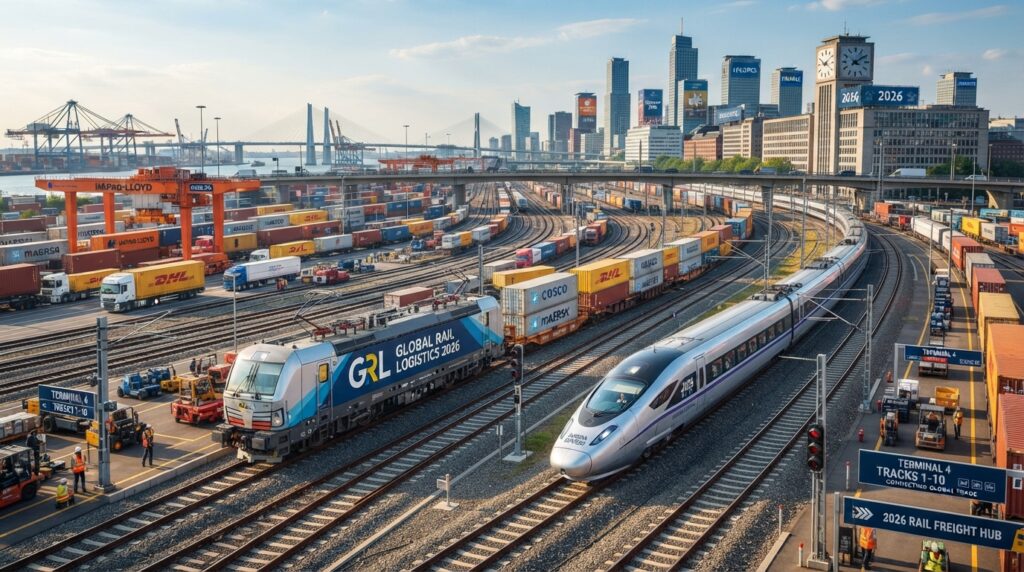
For freight transportation, AI optimizes cargo loading, container placement, route selection, and delivery scheduling. Businesses receive more accurate arrival estimates, improving supply chain planning while reducing unnecessary inventory costs.
I have listened to several logistics professionals discussing how AI-powered rail management significantly improves operational efficiency. Even small improvements in train scheduling can produce substantial financial savings when multiplied across thousands of daily operations.
Artificial intelligence also strengthens passenger safety by monitoring station activity, detecting unusual situations, and supporting emergency response systems. Machine learning algorithms continuously improve as additional operational data becomes available.
As AI becomes more affordable and accessible, nearly every modern railway system will likely integrate intelligent automation into daily operations. This trend makes the Powerful Rail Transport Economy 2026 increasingly data-driven rather than purely infrastructure-driven.
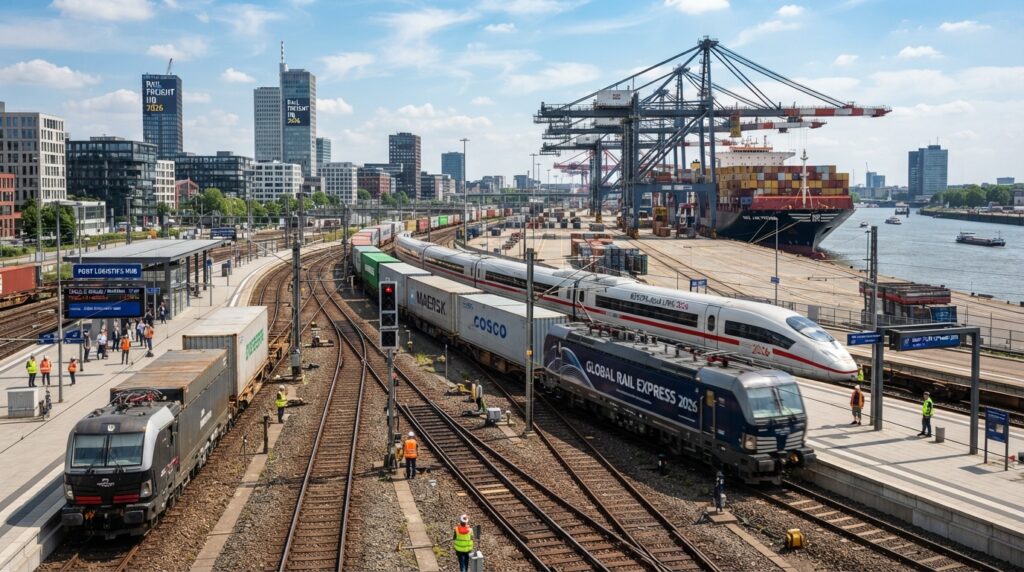
Freight Transportation Drives the Powerful Rail Transport Economy 2026
Freight transportation remains one of the strongest economic pillars supporting the Powerful Rail Transport Economy 2026. While passenger transportation often receives public attention, freight rail quietly moves enormous quantities of industrial materials, consumer goods, agricultural products, automobiles, construction equipment, and manufacturing supplies every day.
Rail freight offers several important advantages. It can transport large cargo volumes efficiently over long distances while consuming less energy compared to many alternative transportation methods. This makes rail an attractive option for businesses seeking both cost efficiency and sustainability.
Manufacturers benefit because predictable freight schedules reduce production interruptions. Retail companies receive inventory more consistently. Exporters improve delivery reliability through integrated railway-port logistics systems.
From my experience studying transportation trends, I have seen that regions with efficient freight rail infrastructure usually attract more manufacturing investment. Businesses value transportation reliability because delays directly affect production schedules and customer satisfaction.
Intermodal transportation is another growing area. Standardized shipping containers move seamlessly between ships, railways, and trucks. This integration reduces cargo handling time while minimizing damage risks.
As international commerce continues expanding, freight rail will remain one of the most essential components of the Powerful Rail Transport Economy 2026, supporting resilient global supply chains and sustainable economic development.
High-Speed Rail Creates New Economic Opportunities
High-speed rail has evolved from being a premium transportation option into a powerful economic development tool. Within the Powerful Rail Transport Economy 2026, high-speed rail connects cities, business districts, tourism destinations, educational institutions, and industrial regions more efficiently than before.
Faster travel encourages business expansion because professionals can complete meetings in multiple cities during a single day. Tourism also benefits as travelers gain easier access to destinations without relying solely on air transportation.
Property development often accelerates near high-speed railway stations. Hotels, shopping centers, office buildings, residential communities, technology parks, and entertainment districts frequently emerge around these transportation hubs.
I have observed that improved transportation accessibility changes how businesses select office locations. Companies increasingly prioritize areas connected by efficient railway networks because employees, customers, and suppliers benefit from convenient travel.
High-speed rail also reduces pressure on highways and airports. Less congestion improves transportation reliability while lowering infrastructure maintenance costs across multiple sectors.
As governments continue investing in modern railway infrastructure, high-speed rail will likely remain an important contributor to the Powerful Rail Transport Economy 2026, supporting sustainable mobility and long-term economic growth.
Sustainability Makes Rail Transport a Long-Term Solution
Environmental sustainability has become one of the strongest advantages of the Powerful Rail Transport Economy 2026. Governments, businesses, and consumers increasingly prioritize transportation systems that reduce emissions while maintaining high operational efficiency.
Modern railway systems consume energy more efficiently than many other transportation options, especially when powered by electricity generated from renewable sources. This helps reduce greenhouse gas emissions while supporting national climate objectives.
Many railway operators are investing in regenerative braking systems that capture energy during braking and reuse it later. Solar-powered stations, energy-efficient lighting, smart ventilation systems, and environmentally friendly construction materials further improve sustainability.
I have read several transportation reports indicating that companies increasingly include transportation-related emissions within their sustainability strategies. Choosing rail freight helps organizations reduce environmental impact while meeting corporate sustainability goals.
Green transportation also attracts investors. Financial institutions increasingly support environmentally responsible infrastructure projects because sustainable assets often provide stable long-term returns.
The combination of technological innovation and environmental responsibility positions the Powerful Rail Transport Economy 2026 as one of the most promising transportation sectors for future economic development.
Why Investors Are Watching Powerful Rail Transport Economy 2026
Infrastructure investment has traditionally been considered a long-term wealth-building strategy. The Powerful Rail Transport Economy 2026 offers investors exposure to multiple industries simultaneously, including construction, engineering, manufacturing, logistics, technology, renewable energy, telecommunications, and urban development.
Rather than depending on a single revenue source, railway ecosystems generate economic activity across numerous sectors. Every railway expansion project creates demand for construction materials, signaling equipment, software solutions, electrical systems, maintenance services, and professional expertise.
I have noticed that experienced infrastructure investors often emphasize patience. Railway investments generally require years to reach full economic potential, but the resulting infrastructure may continue generating value for several decades.
Technology companies supplying AI systems, cybersecurity, digital ticketing platforms, cloud services, predictive maintenance software, and smart sensors also benefit from railway modernization.
Although every investment involves risks, the long-term demand for efficient transportation suggests that the Powerful Rail Transport Economy 2026 will remain an important area for economic growth and innovation.
Challenges That Can Influence the Powerful Rail Transport Economy 2026
Every industry faces challenges, and the Powerful Rail Transport Economy 2026 is no exception. Understanding these challenges helps governments, businesses, investors, and railway operators make better long-term decisions.
One of the biggest challenges is infrastructure modernization. Many railway networks were originally designed decades ago. While the foundations remain valuable, signaling systems, stations, communication networks, bridges, tunnels, and maintenance facilities often require significant upgrades. Modern technology can only deliver its full benefits when supported by reliable infrastructure.
Another challenge is cybersecurity. As railway systems become increasingly digital, protecting operational networks becomes more important. Smart signaling, cloud-based traffic management, automated ticketing, and connected sensors all require strong cybersecurity practices to protect passengers, freight operations, and critical infrastructure.
Funding also remains an important consideration. Large railway projects often require substantial investment before generating economic returns. Public-private partnerships, infrastructure funds, and long-term financing models are becoming increasingly popular because they distribute costs while encouraging sustainable development.
I have seen infrastructure experts explain that successful railway projects depend on consistent planning rather than short-term decision-making. Projects completed with long-term strategies generally provide stronger economic benefits over many decades.
Despite these challenges, continuous technological innovation continues strengthening the Powerful Rail Transport Economy 2026, making railway transportation more efficient, reliable, and future-ready.
Future Trends Beyond the Powerful Rail Transport Economy 2026
The railway industry continues evolving rapidly. Looking beyond the Powerful Rail Transport Economy 2026, several long-term trends are expected to shape transportation over the coming years.
Autonomous train operations are becoming more sophisticated. While human supervision will remain important, automation can improve scheduling accuracy, operational efficiency, and safety.
Digital twins are another exciting innovation. These virtual models replicate entire railway networks, allowing engineers to simulate maintenance schedules, passenger demand, weather impacts, and infrastructure upgrades before making real-world changes.
Hydrogen-powered and battery-powered trains are receiving greater attention where full electrification is not practical. These technologies could help reduce emissions while expanding environmentally friendly transportation options.
Artificial intelligence will continue improving route planning, predictive maintenance, energy management, and passenger services. Big data analytics will help operators optimize every aspect of railway performance.
I have noticed that transportation researchers increasingly describe future railways as intelligent mobility ecosystems rather than isolated transportation systems. This broader perspective reflects how rail integrates with smart cities, renewable energy, logistics networks, and digital infrastructure.
As innovation continues, the Powerful Rail Transport Economy 2026 will likely serve as the foundation for an even more advanced transportation economy in the years ahead.
Practical Lessons for Businesses and Decision-Makers
Whether you are a business owner, investor, logistics professional, student, or policymaker, several practical lessons emerge from studying the Powerful Rail Transport Economy 2026.
Businesses should view transportation as a strategic advantage rather than simply an operational expense. Reliable railway connections improve supply chain stability, reduce transportation costs, and strengthen customer satisfaction.
Manufacturers benefit by locating production facilities near major transportation corridors. Logistics companies gain efficiency through integrated rail networks. Technology firms discover new opportunities by developing software, AI systems, cybersecurity solutions, and digital infrastructure for modern railways.
From my own observations, organizations that prepare early for transportation innovation often adapt more successfully than those waiting for changes to become unavoidable. Continuous learning and long-term planning remain essential.
Education and workforce development are equally important. Engineers, software developers, cybersecurity specialists, project managers, environmental experts, and logistics professionals all play significant roles in supporting modern railway systems.
Ultimately, the Powerful Rail Transport Economy 2026 demonstrates that transportation is no longer simply about moving people and goods. It has become a major driver of productivity, innovation, sustainability, and economic resilience.
Frequently Asked Questions
What is Powerful Rail Transport Economy 2026?
Powerful Rail Transport Economy 2026 refers to the growing economic impact of modern railway systems supported by digital technology, artificial intelligence, sustainable infrastructure, efficient logistics, and smart transportation networks.
Why is rail transportation important for economic growth?
Railways improve trade, reduce logistics costs, support manufacturing, encourage regional development, create employment, and strengthen long-term infrastructure, making them an important contributor to economic growth.
How does technology improve modern railway systems?
Technology enhances predictive maintenance, intelligent signaling, AI-powered scheduling, digital ticketing, cybersecurity, passenger information systems, freight tracking, and operational efficiency.
Is rail transportation environmentally sustainable?
Yes. Modern railways generally consume energy efficiently, produce lower emissions than many transportation alternatives, and increasingly utilize renewable electricity, regenerative braking, and environmentally responsible infrastructure.
What industries benefit from railway development?
Manufacturing, logistics, tourism, retail, agriculture, construction, mining, technology, renewable energy, urban development, and international trade all benefit from efficient railway infrastructure.
Conclusion
The Powerful Rail Transport Economy 2026 represents much more than an improvement in transportation. It illustrates how infrastructure, technology, sustainability, and innovation work together to support stronger economies and more connected societies.
Throughout this guide, we explored how artificial intelligence, predictive maintenance, digital logistics, high-speed rail, freight transportation, environmental sustainability, and long-term infrastructure planning contribute to economic growth. These developments create opportunities for businesses, investors, governments, and communities alike.
My experience following transportation and infrastructure trends has shown that successful economies consistently invest in efficient mobility. Reliable railway systems encourage trade, reduce costs, attract investment, and improve quality of life over many years.
As transportation continues evolving, railways will remain one of the most dependable foundations for sustainable development. Organizations that understand these trends today will be better prepared for tomorrow’s transportation landscape.
If you found this guide valuable, continue exploring related topics such as smart logistics, digital infrastructure, sustainable transportation, and future mobility innovations to stay informed about one of the world’s fastest-evolving industries.